US Casino Culture vs. Norway Online Casino Culture: Key Differences
Casino culture looks very different in the United States and Norway. In the US, gambling can mean a weekend in Las Vegas, a casino on tribal land, or a mobile app available only in certain states. In Norway, there are no commercial land-based casinos in the American sense. Gambling is shaped instead by an exclusive-rights model, with state-controlled operators and a public conversation that tends to emphasize regulation, responsible play, and limits.
Those contrasts affect more than where people play. They influence which brands are familiar, how players research a site, what “legal” means, and how much attention people pay to licensing and payment terms. Understanding them is useful whether you are comparing markets for research or trying to make sense of the phrase casino comparison culture.
At a glance: two different gambling environments
Topic United States Norway Land-based casinos Present in many states, including commercial and tribal venues; rules vary by jurisdiction. No commercial casino-resort scene comparable to Las Vegas or Atlantic City. Online market Casino gambling is regulated state by state. Availability depends on where a player is located. Commercial online gambling is not an open, locally licensed casino market. The system centers on exclusive rights. Major domestic operators Operators depend on the state and may include commercial or tribal businesses. Norsk Tipping operates many state-authorized games; Norsk Rikstoto focuses on horse-race betting. Typical research question “Is this operator licensed in my state?” “Is this offer authorized for the Norwegian market, and what does the regulator say?”US casino culture: destinations, venues, and state rules
Casinos are part of the physical landscape
For many Americans, casino gambling is associated with a place as much as a game. Las Vegas is the best-known example, but it is not the whole story. Casinos operate in a variety of settings across the country: major resort destinations, regional properties, racetracks, and tribal lands. These venues can combine gaming with restaurants, concerts, hotels, and sporting or entertainment events.
That physical presence helps make casino visits a recognizable form of leisure and tourism. A player may compare a property’s hotel, location, restaurant choices, and table games alongside its slot floor. The phrase vegas strip vs online captures one modern contrast: the high-energy, destination-based experience on one side, and the convenience and privacy of a phone or computer on the other.
There is no single US casino rulebook
Although the US has a visible casino industry, it does not have one uniform online-gambling regime. Laws differ by state, and a game or operator available in one state may not be available in another. Some states permit regulated online casino gaming; others do not. Sports betting rules are also separate from online casino rules, so the presence of one does not automatically mean the other is legal.
Players therefore need to check local law and the relevant regulator rather than assume that a familiar brand is permitted everywhere. In states with legal online casinos, licensed operators typically must follow state requirements for identity checks, location verification, payment handling, and responsible-gambling tools. In other states, access to an offshore site does not make that site state-licensed or give the player the same local protections.
This patchwork creates a practical form of regulated venues US culture: the key question is not simply whether a casino exists, but whether the specific venue or online operator is authorized in the player’s jurisdiction. Players may encounter state gaming boards, tribal regulators, or other relevant authorities, depending on the venue and legal arrangement.
Norway: no commercial casino strip, and a different legal model
Exclusive rights rather than an open casino market
Norway does not have commercial land-based casinos comparable to Las Vegas, Atlantic City, or the many regional casino markets in the US. Its gambling framework is built around an exclusive-rights model rather than a broad system in which private companies apply for local online casino licences and compete openly for Norwegian customers.
The Norwegian government’s approach is intended to keep gambling under tighter control and to reduce gambling-related harm. The Lotteri- og stiftelsestilsynet, commonly known in English as the Norwegian Gaming and Foundation Authority, supervises the sector and provides information about Norwegian gambling rules. For current guidance, consult its external regulator site, lottstift.no, rather than relying only on an operator’s marketing material or an old comparison page.
The roles of Norsk Tipping and Norsk Rikstoto
Norsk Tipping is the state-owned operator responsible for a range of authorized games, including lotteries, sports-related betting, and online games. Its product range includes games with casino-style features, but that does not mean Norway has an open commercial online casino market like some US states. The operator’s role sits within the Norwegian exclusive-rights framework.
Norsk Rikstoto has a distinct role focused on betting on horse racing. It is not simply another general casino operator. This division matters when comparing markets: US players may encounter numerous commercial and tribal casino brands, while a Norwegian player looking for locally authorized gambling products is more likely to recognize a small number of established domestic operators with defined responsibilities.
These differences are also why it is worth distinguishing between a site being reachable online and being authorized to offer gambling to Norwegian residents. An international website may accept visitors or display Norwegian-language promotions, but that alone does not establish that it is licensed under Norwegian rules or provides the same protections as a domestic authorized operator.

Online shift: convenience without the casino-resort backdrop
In the US, online gambling often complements a well-established land-based industry. A player might visit a casino in person, then use an approved state app for online play when at home. The online product can borrow from the casino’s brand and entertainment identity, while location technology checks that the player is within an eligible state.
Norway’s online experience developed in a different context. With no commercial casino-resort network to anchor the culture, online games and state-authorized offerings play a more central role in how many people encounter casino-style gambling. The result is less about choosing between a hotel casino and its app, and more about understanding the rules, the operator, and the status of the offer.
That does not mean every Norwegian player behaves the same way, or that all US players are venue-focused. It does mean that market structure influences common habits. US comparisons may focus on destinations, state availability, and app features. Norwegian research may place greater emphasis on whether an operator is part of the authorized system, what the regulator says, and what restrictions apply.
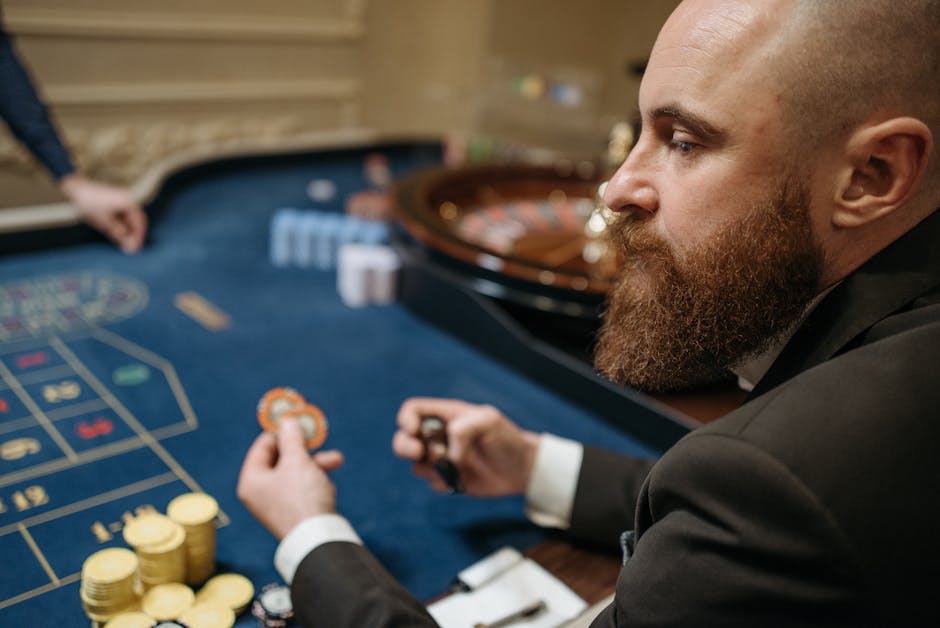
Research-first behavior and comparison culture
What players tend to check
Across both countries, responsible players benefit from checking the essentials before creating an account or depositing. The details to prioritize differ somewhat by market, but a sound checklist includes:
- Legal status: Is the operator authorized where you live, and does the relevant regulator recognize it?
- Age and identity rules: What verification is required, and when will the operator request it?
- Payment terms: Are deposits, withdrawals, fees, and processing times clearly explained?
- Bonus conditions: What wagering requirements, game exclusions, expiry dates, or withdrawal limits apply?
- Player safeguards: Are deposit limits, time-outs, self-exclusion, and support resources available?
- Complaint options: Is there a clear route for resolving disputes, and which authority can provide guidance?
In the US, the first step is usually to verify the player’s state and check the regulator responsible for that state’s licensed market. In Norway, the relevant starting point is often the national framework and the information published by Lotteri- og stiftelsestilsynet. A brand’s popularity abroad is not a substitute for checking local rules.
How comparison sites fit in
Comparison sites can help readers understand product features, payment methods, and promotional terms, but they are not regulators. Their commercial relationships may also shape which operators they feature. Treat a ranking as a starting point for questions, not as proof of legality, safety, or suitability.
For example, CasinoCenter (casinocenter.com) can be mentioned as a consumer-facing source to review when researching casino information, while a Norwegian-focused comparison guide such as kongebonus.com may help explain offers and terminology. Readers should still verify regulatory claims directly with the appropriate authority. For Norway, that means checking lottstift.no; for a US player, it means consulting the regulator in the player’s state.
This is the practical heart of casino comparison culture: compare the conditions, not just the headline bonus. A large welcome offer says little about whether withdrawals are straightforward, whether the site is authorized locally, or whether the games and safeguards meet the standards a player expects.
Responsible gambling has different contexts, but the same priority
Different rules do not change the basic risks of gambling. Casino games are designed so the operator has an advantage over time, and short-term outcomes can be unpredictable. A regulated venue may provide stronger oversight and clearer complaint channels, but regulation does not make gambling risk-free or guarantee that a player will win.
Before playing, set a budget that you can afford to lose and decide in advance how long you will spend. Do not treat gambling as a way to make money or recover previous losses. If play stops feeling recreational, pause and use available blocking, limit-setting, or support tools. In both markets, check the local resources and self-exclusion options that apply to you.
What the comparison really shows
The US and Norway are not simply two versions of the same casino market. US culture combines prominent physical venues with a state-by-state approach to online gambling. Norway has no commercial casinocenter casino-resort scene and relies on an exclusive-rights structure in which Norsk Tipping and Norsk Rikstoto have defined roles. That difference helps explain why US discussions often revolve around destinations and local licensing, while Norwegian discussions may begin with the national regulator and authorized operators.
For readers comparing the two, the most useful question is not “Which country has more casinos?” It is “What rules apply where I am, who oversees the operator, and what protections can I actually use?” Check regulator information first, read payment and bonus terms carefully, and remember that an online listing or an accessible website does not prove local authorization.